
A short delay
Offer waiting first, with an eligible 30-minute extension or $5 credit. Change or cancel if that does not work.
Zipcar
A missing car can derail your day. I designed Zipcar’s self-service late-return recovery, from delay updates to waiting, changing cars, or canceling. The hard part was choosing a useful default when the arrival time was uncertain.
Self-service waiting, car changes, and cancellation give members a way forward when a car is late. The aim is to preserve a workable trip and reduce the need for a support call.
I worked with Product, Fleet, and Member Services to connect delay severity, nearby cars, incentives, and pricing. We reused Edit Trip for changing cars, so recovery built on an established flow. Later moderated research gave us a way to revisit whether those choices made sense to members.
The June 2025 walkthrough uses roughly ten minutes to distinguish a short delay from a more uncertain wait. I changed the recommended action with the severity, while keeping waiting, changing cars, and cancellation available.
Offer waiting first, with an eligible 30-minute extension or $5 credit. Change or cancel if that does not work.
Recommend changing cars. Waiting and cancellation remain available, without promising when the car will arrive.
Changing cars uses Edit Trip. For the same booking duration, you pay the lower of the two rates: a free upgrade or a refund of the difference.
Simplified June 2025 design. The walkthrough uses roughly ten minutes as the dividing point.Earlier exploration: shorter delay, using a 15-minute threshold.
Earlier exploration: longer delay, using a 15-minute threshold.
Can’t Find Car opens recovery from the Drive screen. I kept alternatives available even after you accept a waiting offer. If the car still does not arrive, you can change cars or cancel instead of getting trapped in the choice you made earlier.
Can’t Find Car
Wait and be rewarded
Switch car or cancel trip
About 30 minutes before your trip ends, if GPS shows you're likely too far to return on time, we’ll send a quick message to check in. Responding to a push or text is much easier than calling customer service.
Let us know via text
Be prompted with push
Self report in app
Send out a text
Give a heads-up with a push notification
Give immediate options
A new garage can be confusing for anyone. Tapping Can’t find car can even help when there isn’t a problem.
Can’t find my car
Locating your vehicle
Car is at home location
A five-minute delay and an open-ended delay can share a cause but need different defaults.
When the service fails, changing cars should not make you pay more for the same trip.
Agreeing to wait should never remove the option to recover another way.
Adobe · Generative AI
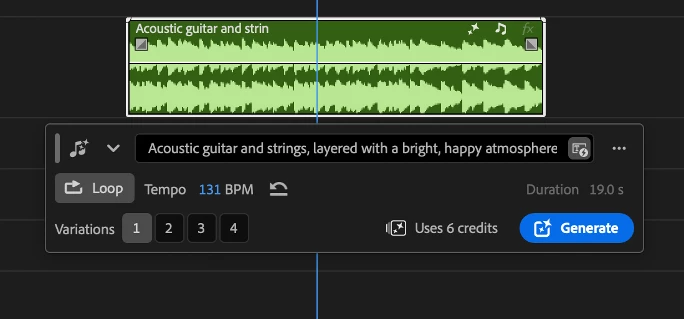
Create music that fits your scene with clear, editable generation controls.
Adobe · Generative AI
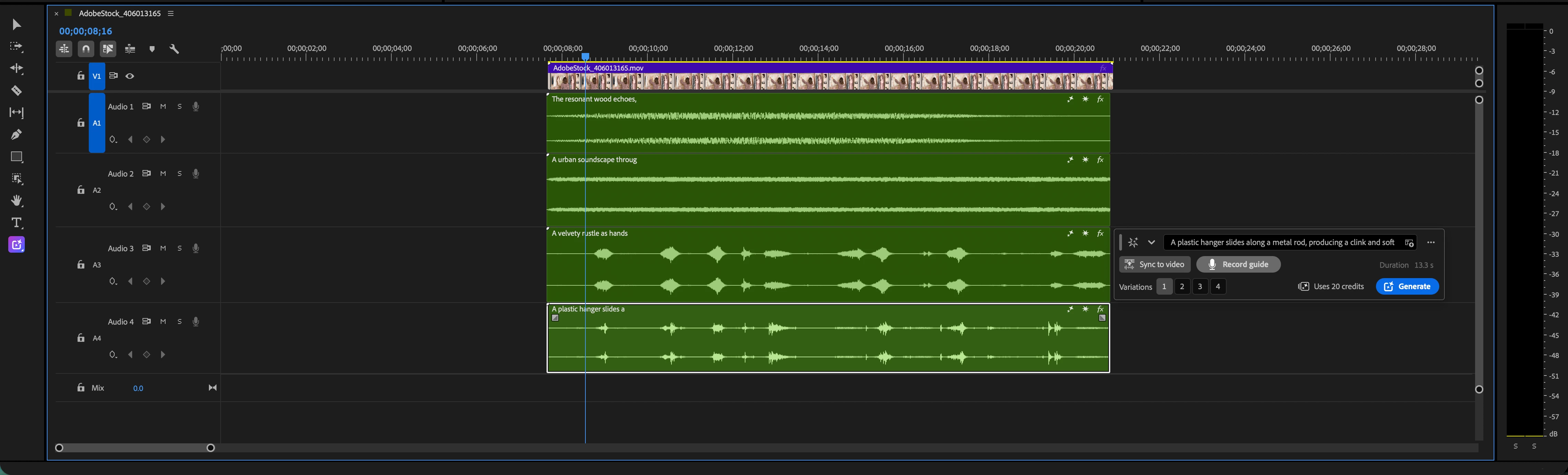
Turn visible action into editable layers of ambience and sound effects.
Zipcar
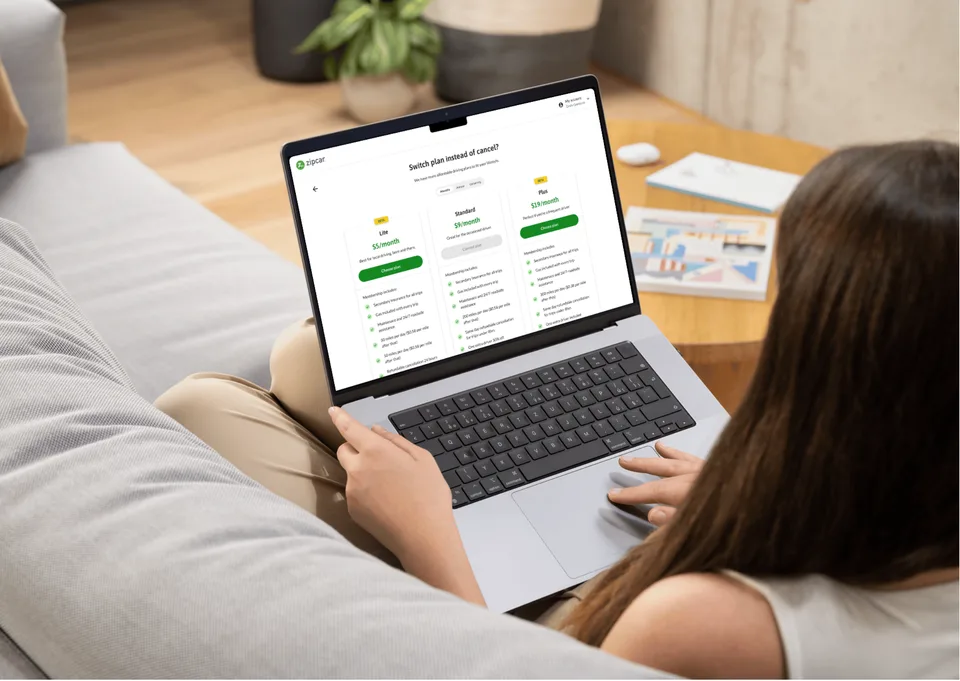
Introduce Zipcar’s first tiers for occasional and frequent drivers.
Zipcar
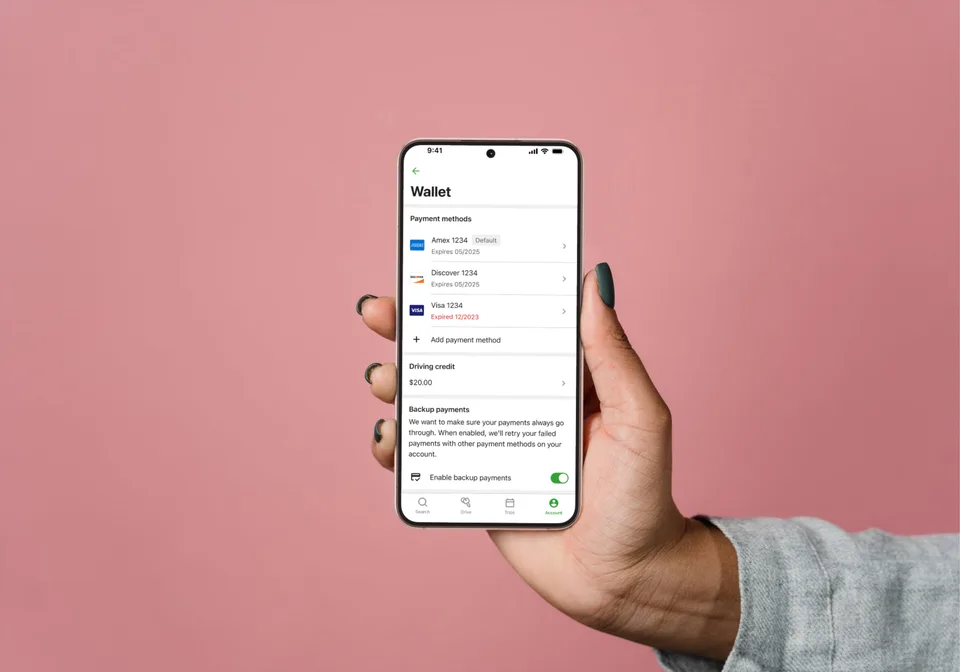
Make payment choice, backup charging, and recovery clear across app and web.
Zipcar
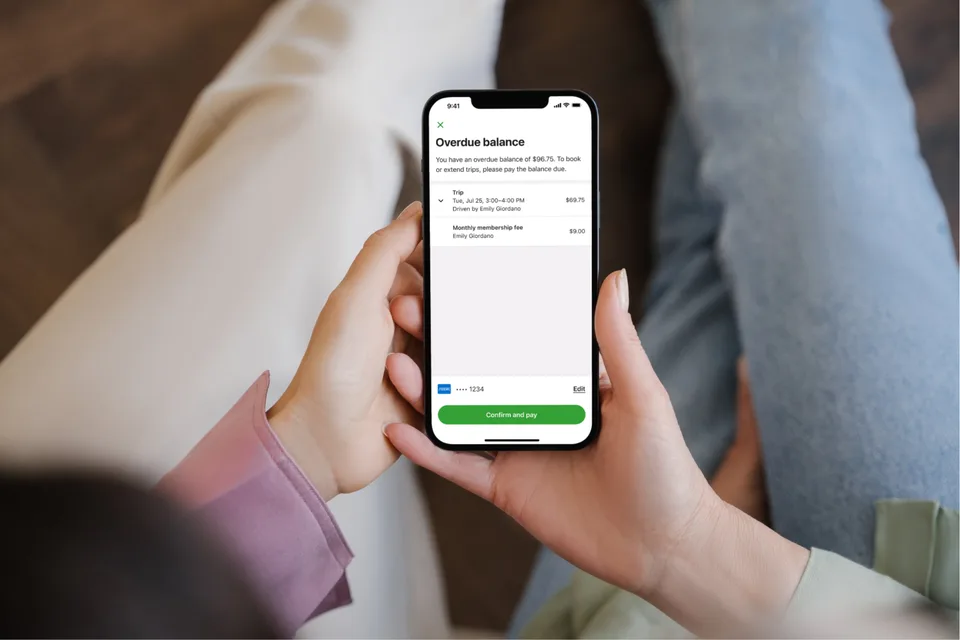
Help members resolve an overdue balance directly in the app.
MetLife
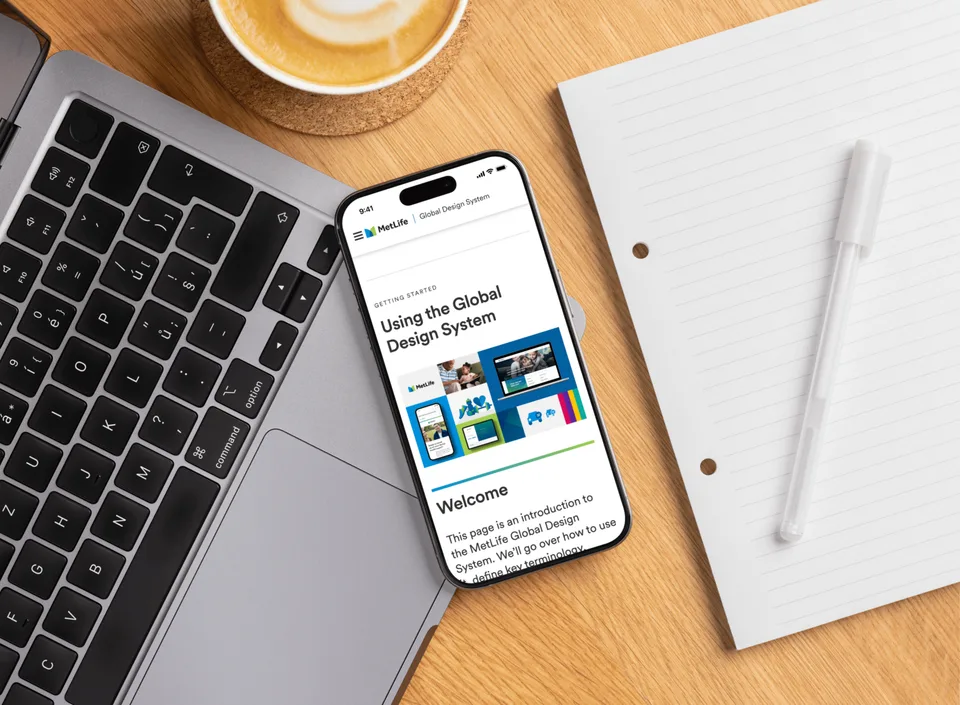
Build a reusable design foundation for teams across more than 50 markets.
Zipcar
A missing car can derail your day. I designed Zipcar’s self-service late-return recovery, from delay updates to waiting, changing cars, or canceling. The hard part was choosing a useful default when the arrival time was uncertain.
Self-service waiting, car changes, and cancellation give members a way forward when a car is late. The aim is to preserve a workable trip and reduce the need for a support call.
I worked with Product, Fleet, and Member Services to connect delay severity, nearby cars, incentives, and pricing. We reused Edit Trip for changing cars, so recovery built on an established flow. Later moderated research gave us a way to revisit whether those choices made sense to members.
The June 2025 walkthrough uses roughly ten minutes to distinguish a short delay from a more uncertain wait. I changed the recommended action with the severity, while keeping waiting, changing cars, and cancellation available.
Offer waiting first, with an eligible 30-minute extension or $5 credit. Change or cancel if that does not work.
Recommend changing cars. Waiting and cancellation remain available, without promising when the car will arrive.
Changing cars uses Edit Trip. For the same booking duration, you pay the lower of the two rates: a free upgrade or a refund of the difference.
Simplified June 2025 design. The walkthrough uses roughly ten minutes as the dividing point.Earlier exploration: shorter delay, using a 15-minute threshold.
Earlier exploration: longer delay, using a 15-minute threshold.
Can’t Find Car opens recovery from the Drive screen. I kept alternatives available even after you accept a waiting offer. If the car still does not arrive, you can change cars or cancel instead of getting trapped in the choice you made earlier.
Can’t Find Car
Wait and be rewarded
Switch car or cancel trip
About 30 minutes before your trip ends, if GPS shows you're likely too far to return on time, we’ll send a quick message to check in. Responding to a push or text is much easier than calling customer service.
Let us know via text
Be prompted with push
Self report in app
Send out a text
Give a heads-up with a push notification
Give immediate options
A new garage can be confusing for anyone. Tapping Can’t find car can even help when there isn’t a problem.
Can’t find my car
Locating your vehicle
Car is at home location
A five-minute delay and an open-ended delay can share a cause but need different defaults.
When the service fails, changing cars should not make you pay more for the same trip.
Agreeing to wait should never remove the option to recover another way.
Adobe · Generative AI
Create music that fits your scene with clear, editable generation controls.
Adobe · Generative AI
Turn visible action into editable layers of ambience and sound effects.
Zipcar
Introduce Zipcar’s first tiers for occasional and frequent drivers.
Zipcar
Make payment choice, backup charging, and recovery clear across app and web.
Zipcar
Help members resolve an overdue balance directly in the app.
MetLife
Build a reusable design foundation for teams across more than 50 markets.
Zipcar
A missing car can derail your day. I designed Zipcar’s self-service late-return recovery, from delay updates to waiting, changing cars, or canceling. The hard part was choosing a useful default when the arrival time was uncertain.
Self-service waiting, car changes, and cancellation give members a way forward when a car is late. The aim is to preserve a workable trip and reduce the need for a support call.
I worked with Product, Fleet, and Member Services to connect delay severity, nearby cars, incentives, and pricing. We reused Edit Trip for changing cars, so recovery built on an established flow. Later moderated research gave us a way to revisit whether those choices made sense to members.
The June 2025 walkthrough uses roughly ten minutes to distinguish a short delay from a more uncertain wait. I changed the recommended action with the severity, while keeping waiting, changing cars, and cancellation available.
Offer waiting first, with an eligible 30-minute extension or $5 credit. Change or cancel if that does not work.
Recommend changing cars. Waiting and cancellation remain available, without promising when the car will arrive.
Changing cars uses Edit Trip. For the same booking duration, you pay the lower of the two rates: a free upgrade or a refund of the difference.
Simplified June 2025 design. The walkthrough uses roughly ten minutes as the dividing point.Earlier exploration: shorter delay, using a 15-minute threshold.
Earlier exploration: longer delay, using a 15-minute threshold.
Can’t Find Car opens recovery from the Drive screen. I kept alternatives available even after you accept a waiting offer. If the car still does not arrive, you can change cars or cancel instead of getting trapped in the choice you made earlier.
Wait and be rewarded
Can’t Find Car
Switch car or cancel trip
About 30 minutes before your trip ends, if GPS shows you're likely too far to return on time, we’ll send a quick message to check in. Responding to a push or text is much easier than calling customer service.
Be prompted with push
Let us know via text
Self report in app
Give a heads-up with a push notification
Send out a text
Give immediate options
A new garage can be confusing for anyone. Tapping Can’t find car can even help when there isn’t a problem.
Can’t find my car
Locating your vehicle
Car is at home location
A five-minute delay and an open-ended delay can share a cause but need different defaults.
When the service fails, changing cars should not make you pay more for the same trip.
Agreeing to wait should never remove the option to recover another way.
Adobe · Generative AI
Create music that fits your scene with clear, editable generation controls.
Adobe · Generative AI
Turn visible action into editable layers of ambience and sound effects.
Zipcar
Introduce Zipcar’s first tiers for occasional and frequent drivers.
Zipcar
Make payment choice, backup charging, and recovery clear across app and web.
Zipcar
Help members resolve an overdue balance directly in the app.
MetLife
Build a reusable design foundation for teams across more than 50 markets.