
Business models are user experiences
A tier works only when people understand who it is for, what changes, and why it is worth the price.
Zipcar
Zipcar’s first membership tiers gave occasional drivers a lower-cost option and frequent drivers more value. I led the design from competitive research through beta and rollout.
Reported results for Lite and Plus. The retained summary does not specify the measurement period, cohort, or how the $1.64 return was calculated.
I studied subscription flows to turn a broad tiering idea into concrete principles: clear trial terms, short benefit lists, and value that remains visible after signup. For the open beta, I compared fully expanded benefits with shorter cards and expandable mobile details. Less scrolling had to be weighed against the effort of comparing plans.
Landing view
Compare plans
Sign up
My design work connected the plan comparison to the membership people actually used. Lite, Standard, and Plus needed recognizable benefits and clear account states, so choosing a plan was the beginning of the experience rather than the end.
Lite member
Standard member
Plus member
For the open beta, I specified self-service upgrades, downgrades, and undoing a plan change. I worked through differences across the US, Canada, and UK with Product and engineering. Cancellation could offer a lower tier, while driver limits needed a clear path to a plan that fit.
Offer a lower tier before cancellation
Make plan changes self-service
Explain driver limits and upgrade options
Lite focused on a lower monthly fee. Plus paired a higher fee with benefits for frequent trips. I worked across the plan comparison, signup, and account experience to make those tradeoffs clear.
Our team monitored revenue, usage, and retention during the beta. Member feedback added context: a lower fee helped occasional drivers stay, while mileage and trip discounts mattered to frequent drivers.
Why would you continue this plan?
“It’s convenient for me because I don’t use Zipcar as much so to get a discounted price for using and going less miles is a big plus for me”
Why wouldn’t you continue?
“If I maintained a Zipcar membership at all, the Lite membership is the one I’d maintain - but I’m not sure I’m getting enough use out of my membership to be worth it”
Why would you continue this plan?
“Before I was not utilizing the membership to justify the price I was paying. Now it just makes more sense, and I have removed it from my pending cancel subscription list”
Why wouldn’t you continue?
“Sometimes I need to drive more than 50 miles”
Why would you continue this plan?
“I would continue this plan because it’s now more affordable to visit the in-laws in Pennsylvania”
Why wouldn’t you continue?
“The monthly credit should be at least a full hour of usage”
Why would you continue this plan?
“The pricing is not bad, the 10 dollar credit and the additional mileage really helps too”
Why wouldn’t you continue?
“The $10 credit expired every month which means I have to use Zipcar every month and I don’t intend to do that”
We recruited North American Standard monthly members for a three-month beta. Keeping annual members outside the first test limited the scope while we learned how people understood and used the new plans.
In-app
Member web
App, web, and email invitations led to the same presales page, where members could compare plans and join the waitlist.
Member email
Almost 5,000 members expressed interest. That helped us recruit the beta, but usage, retention, and member feedback were the stronger tests of whether the plans deserved a wider rollout.
A tier works only when people understand who it is for, what changes, and why it is worth the price.
Competitive research should reveal principles to act on, not a list of features to copy.
Value must stay clear when people upgrade, downgrade, cancel, or reconsider a plan.
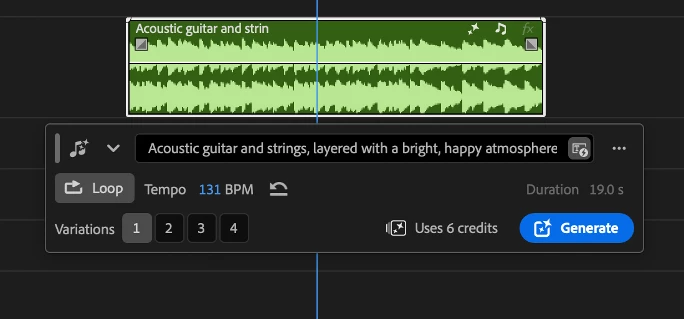
Adobe · Generative AI
Create music that fits your scene with clear, editable generation controls.
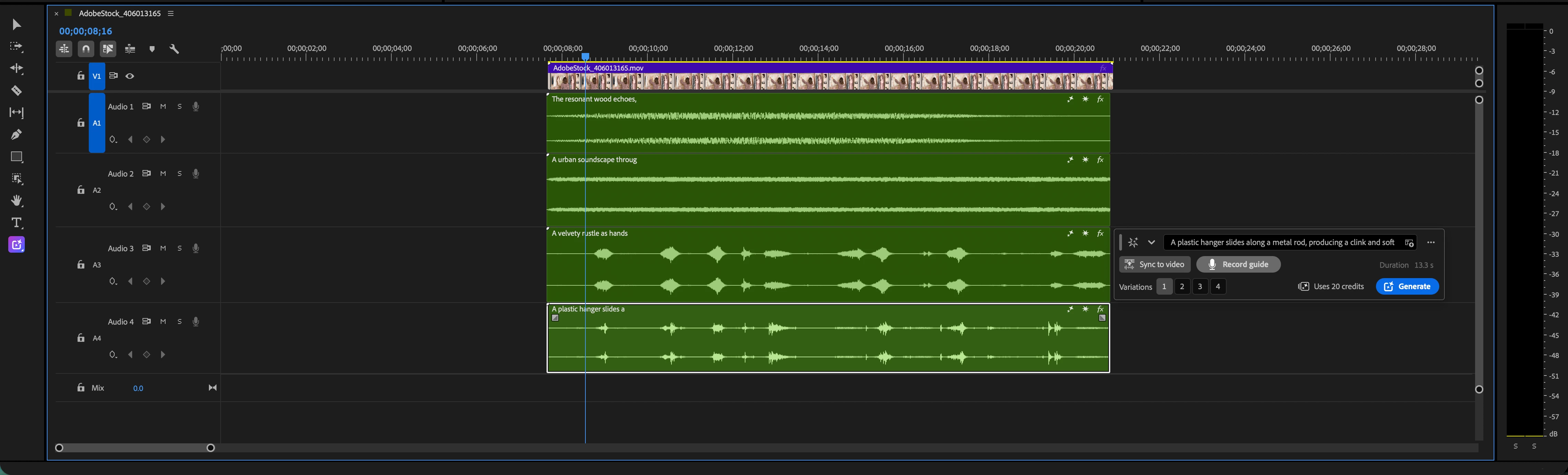
Adobe · Generative AI
Turn visible action into editable layers of ambience and sound effects.
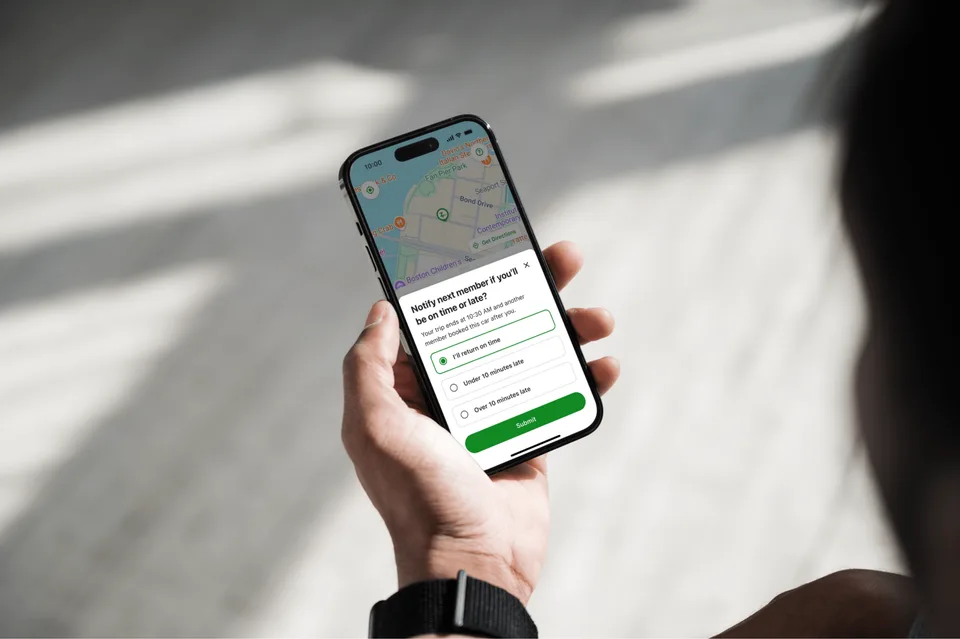
Zipcar
Help members report delays and recover when their car is late.
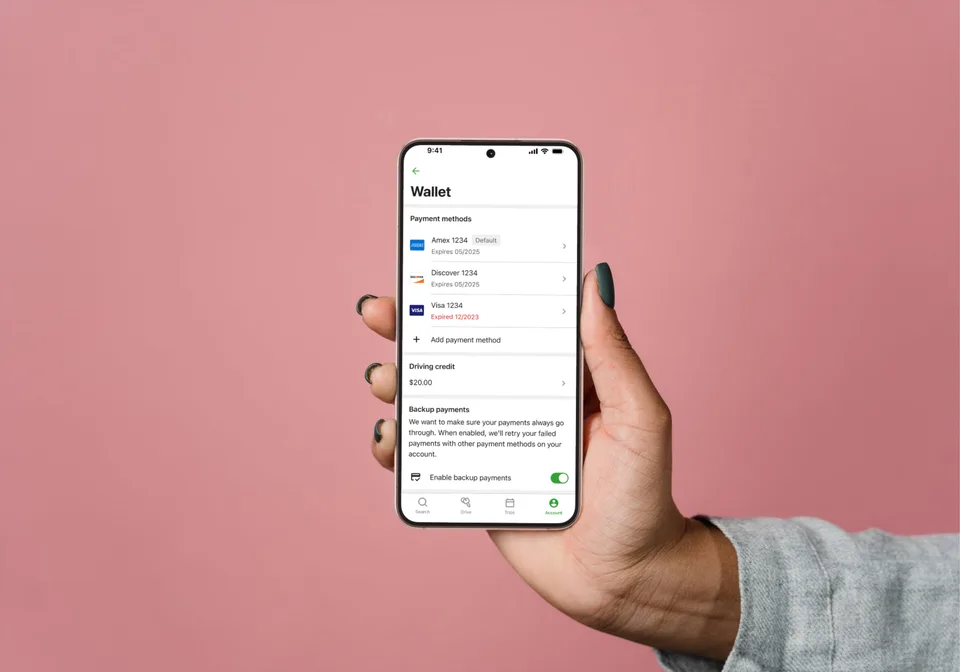
Zipcar
Make payment choice, backup charging, and recovery clear across app and web.
Zipcar
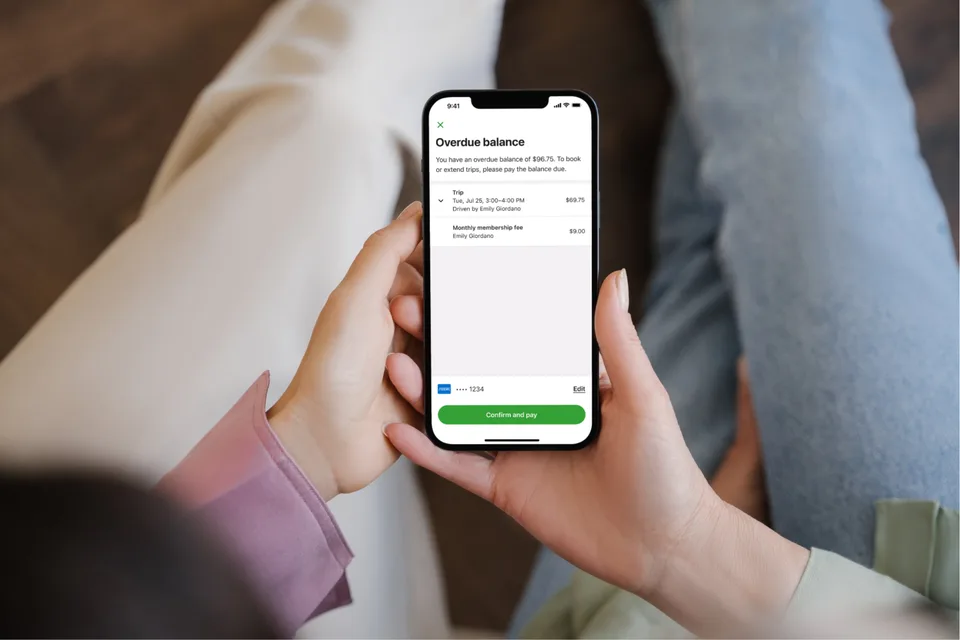
Help members resolve an overdue balance directly in the app.
MetLife
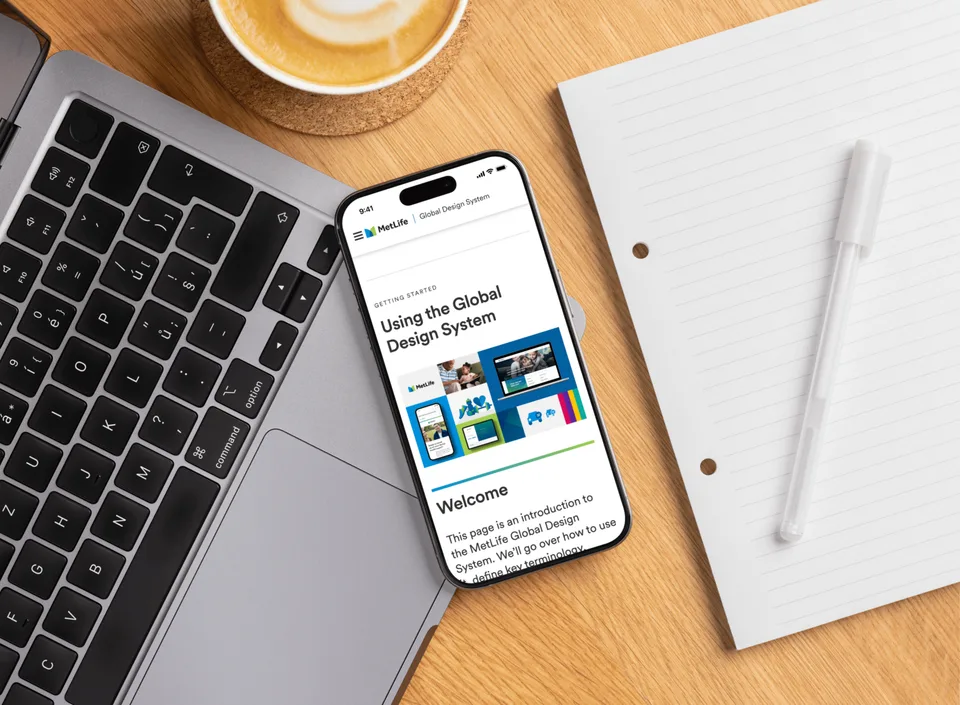
Build a reusable design foundation for teams across more than 50 markets.
Zipcar
Zipcar’s first membership tiers gave occasional drivers a lower-cost option and frequent drivers more value. I led the design from competitive research through beta and rollout.
Reported results for Lite and Plus. The retained summary does not specify the measurement period, cohort, or how the $1.64 return was calculated.
I studied subscription flows to turn a broad tiering idea into concrete principles: clear trial terms, short benefit lists, and value that remains visible after signup. For the open beta, I compared fully expanded benefits with shorter cards and expandable mobile details. Less scrolling had to be weighed against the effort of comparing plans.
Landing view
Compare plans
Sign up
My design work connected the plan comparison to the membership people actually used. Lite, Standard, and Plus needed recognizable benefits and clear account states, so choosing a plan was the beginning of the experience rather than the end.
Lite member
Standard member
Plus member
For the open beta, I specified self-service upgrades, downgrades, and undoing a plan change. I worked through differences across the US, Canada, and UK with Product and engineering. Cancellation could offer a lower tier, while driver limits needed a clear path to a plan that fit.
Offer a lower tier before cancellation
Make plan changes self-service
Explain driver limits and upgrade options
Lite focused on a lower monthly fee. Plus paired a higher fee with benefits for frequent trips. I worked across the plan comparison, signup, and account experience to make those tradeoffs clear.
Our team monitored revenue, usage, and retention during the beta. Member feedback added context: a lower fee helped occasional drivers stay, while mileage and trip discounts mattered to frequent drivers.
Why would you continue this plan?
“It’s convenient for me because I don’t use Zipcar as much so to get a discounted price for using and going less miles is a big plus for me”
Why wouldn’t you continue?
“If I maintained a Zipcar membership at all, the Lite membership is the one I’d maintain - but I’m not sure I’m getting enough use out of my membership to be worth it”
Why would you continue this plan?
“Before I was not utilizing the membership to justify the price I was paying. Now it just makes more sense, and I have removed it from my pending cancel subscription list”
Why wouldn’t you continue?
“Sometimes I need to drive more than 50 miles”
Why would you continue this plan?
“I would continue this plan because it’s now more affordable to visit the in-laws in Pennsylvania”
Why wouldn’t you continue?
“The monthly credit should be at least a full hour of usage”
Why would you continue this plan?
“The pricing is not bad, the 10 dollar credit and the additional mileage really helps too”
Why wouldn’t you continue?
“The $10 credit expired every month which means I have to use Zipcar every month and I don’t intend to do that”
In-app
Member web
App, web, and email invitations led to the same presales page, where members could compare plans and join the waitlist.
Member email
Almost 5,000 members expressed interest. That helped us recruit the beta, but usage, retention, and member feedback were the stronger tests of whether the plans deserved a wider rollout.
A tier works only when people understand who it is for, what changes, and why it is worth the price.
Competitive research should reveal principles to act on, not a list of features to copy.
Value must stay clear when people upgrade, downgrade, cancel, or reconsider a plan.
Adobe · Generative AI
Create music that fits your scene with clear, editable generation controls.
Adobe · Generative AI
Turn visible action into editable layers of ambience and sound effects.
Zipcar
Help members report delays and recover when their car is late.
Zipcar
Make payment choice, backup charging, and recovery clear across app and web.
Zipcar
Help members resolve an overdue balance directly in the app.
MetLife
Build a reusable design foundation for teams across more than 50 markets.
Zipcar
Zipcar’s first membership tiers gave occasional drivers a lower-cost option and frequent drivers more value. I led the design from competitive research through beta and rollout.
Reported results for Lite and Plus. The retained summary does not specify the measurement period, cohort, or how the $1.64 return was calculated.
I studied subscription flows to turn a broad tiering idea into concrete principles: clear trial terms, short benefit lists, and value that remains visible after signup. For the open beta, I compared fully expanded benefits with shorter cards and expandable mobile details. Less scrolling had to be weighed against the effort of comparing plans.
Compare plans
Sign up
My design work connected the plan comparison to the membership people actually used. Lite, Standard, and Plus needed recognizable benefits and clear account states, so choosing a plan was the beginning of the experience rather than the end.
Lite member
Standard member
Plus member
For the open beta, I specified self-service upgrades, downgrades, and undoing a plan change. I worked through differences across the US, Canada, and UK with Product and engineering. Cancellation could offer a lower tier, while driver limits needed a clear path to a plan that fit.
Offer a lower tier before cancellation
Make plan changes self-service
Explain driver limits and upgrade options
Lite focused on a lower monthly fee. Plus paired a higher fee with benefits for frequent trips. I worked across the plan comparison, signup, and account experience to make those tradeoffs clear.
Our team monitored revenue, usage, and retention during the beta. Member feedback added context: a lower fee helped occasional drivers stay, while mileage and trip discounts mattered to frequent drivers.
Why wouldn’t you continue?
“If I maintained a Zipcar membership at all, the Lite membership is the one I’d maintain - but I’m not sure I’m getting enough use out of my membership to be worth it”
Why would you continue this plan?
“It’s convenient for me because I don’t use Zipcar as much so to get a discounted price for using and going less miles is a big plus for me”
Why wouldn’t you continue?
“If I maintained a Zipcar membership at all, the Lite membership is the one I’d maintain - but I’m not sure I’m getting enough use out of my membership to be worth it”
Why would you continue this plan?
“It’s convenient for me because I don’t use Zipcar as much so to get a discounted price for using and going less miles is a big plus for me”
Why wouldn’t you continue?
“The monthly credit should be at least a full hour of usage”
Why would you continue this plan?
“I would continue this plan because it’s now more affordable to visit the in-laws in Pennsylvania”
Why would you continue this plan?
“The pricing is not bad, the 10 dollar credit and the additional mileage really helps too”
Why wouldn’t you continue?
“The $10 credit expired every month which means I have to use Zipcar every month and I don’t intend to do that”
We recruited North American Standard monthly members for a three-month beta. Keeping annual members outside the first test limited the scope while we learned how people understood and used the new plans.
In-app
Member web
App, web, and email invitations led to the same presales page, where members could compare plans and join the waitlist.
Member email
Almost 5,000 members expressed interest. That helped us recruit the beta, but usage, retention, and member feedback were the stronger tests of whether the plans deserved a wider rollout.
A tier works only when people understand who it is for, what changes, and why it is worth the price.
Competitive research should reveal principles to act on, not a list of features to copy.
Value must stay clear when people upgrade, downgrade, cancel, or reconsider a plan.
Adobe · Generative AI
Create music that fits your scene with clear, editable generation controls.
Adobe · Generative AI
Turn visible action into editable layers of ambience and sound effects.
Zipcar
Help members report delays and recover when their car is late.
Zipcar
Make payment choice, backup charging, and recovery clear across app and web.
Zipcar
Help members resolve an overdue balance directly in the app.
MetLife
Build a reusable design foundation for teams across more than 50 markets.